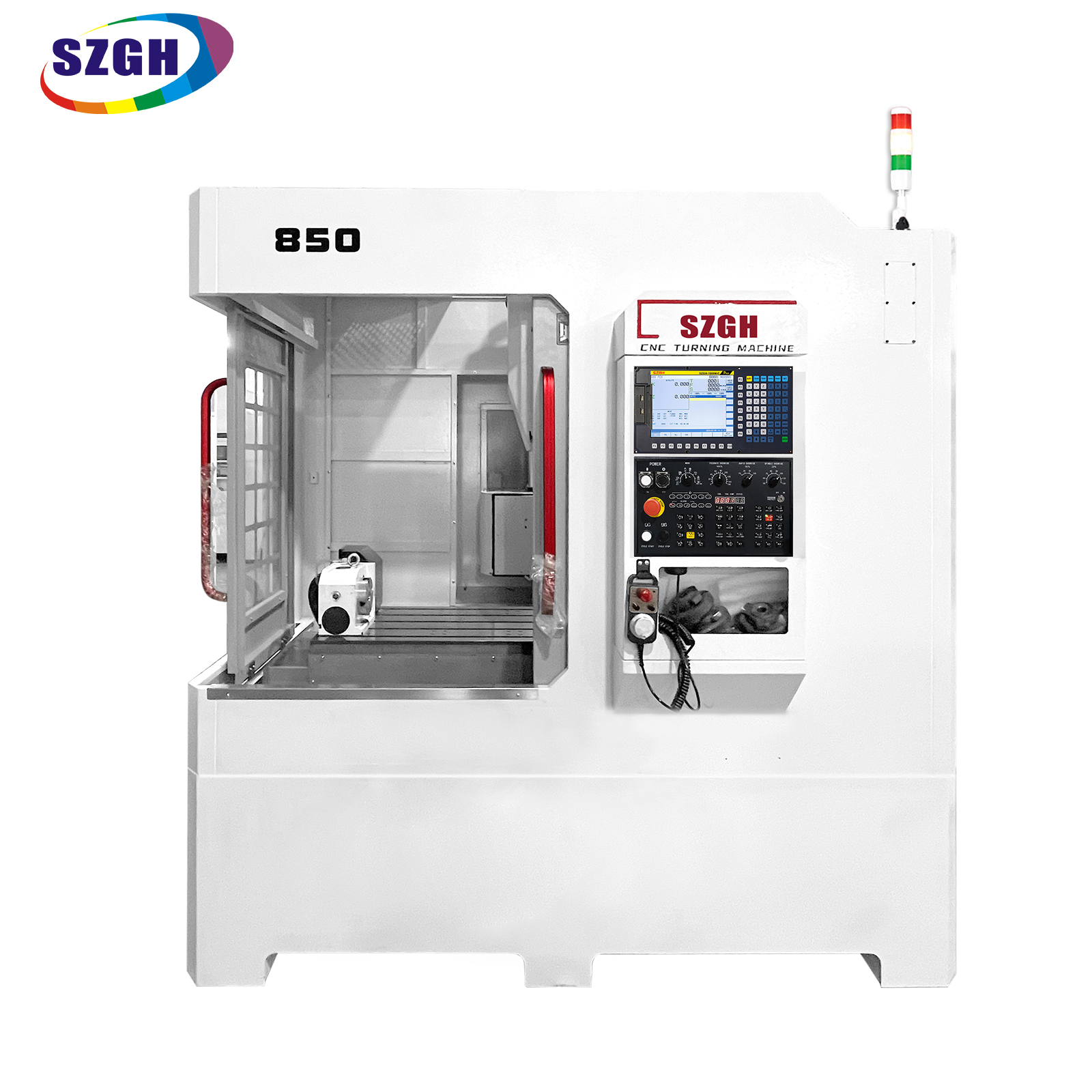
What is the difference between a CNC lathe and a CNC milling machine?
CNC lathes:
Suitable for machining rotating parts. The workpiece rotates while the tool moves along two axes.
CNC milling machines:
Suitable for machining complex parts. The tool rotates and moves along multiple axes.
CNC lathes:
The workpiece rotates while the tool moves along the X and Z axes. They are primarily used for machining rotating parts such as shafts, disks, and sleeves.
CNC milling machines:
The tool rotates while the workpiece is fixed.
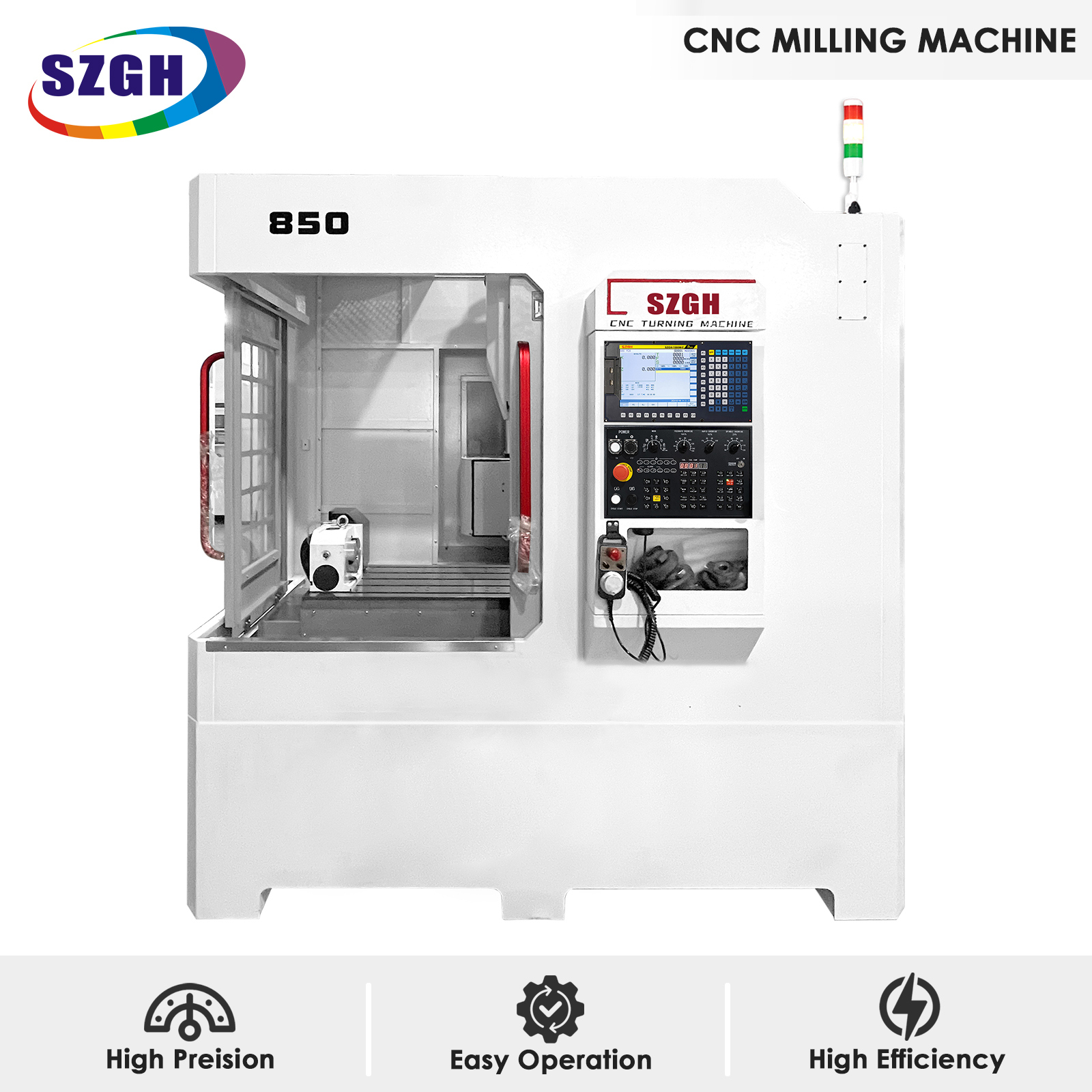 The tool can move along the X, Y, and Z axes. They are suitable for machining complex shapes such as flat surfaces, curved surfaces, and grooves.
Analyze from the perspective of the three key elements of cutting.
The three key elements of cutting primarily refer to cutting speed, feed rate, and depth of cut.
The cutting speed of a CNC lathe refers to the speed of the tool relative to the rotating workpiece. Lathes generally have low rotational speeds, especially for large lathes with large part radii. The linear speed of the outer diameter of the part can be very high. For example, the feed rate of a lathe, for example, refers to the feed rate of the slide, which can be expressed in millimeters per revolution. The depth of cut is the depth of cut, which is the depth of penetration of the tool. These three elements describe how a lathe removes material in a spiral pattern, creating a spiral cutter mark.
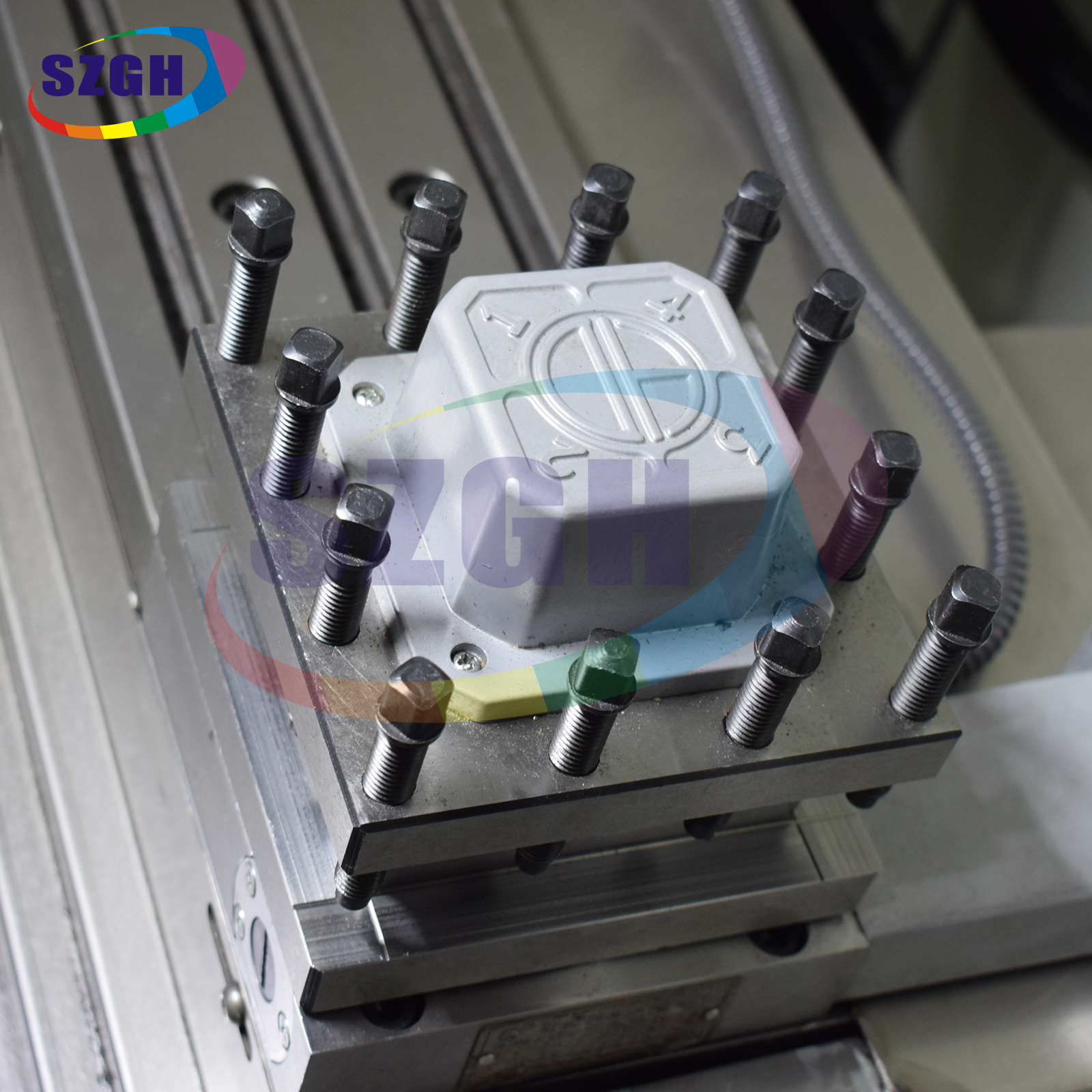 The cutting speed of a CNC milling machine refers to the rotational velocity of the milling cutter tip. Milling cutters are relatively small, so their rotational speeds are very high, sometimes reaching over 10,000 rpm. The depth of engagement of a milling cutter is difficult to understand, but it can be considered the area of penetration into the part, which includes both the depth and the width of the cutting edge. For example, the feed rate, for a flat surface, is the speed at which the surface is milled sideways. Based on the three elements of cutting, the material removed forms a small spiral, and the cutter mark is a cross.
It can be seen that the three elements of cutting differ between the two machines, and the process strategies for achieving the same roughness when machining parts are different.
Due to the different cutter marks, the process strategies for machining sealing end faces also differ. A roughness of 6.3 on a lathe might require 3.2 on a milling machine to achieve the same rice noodle finish.
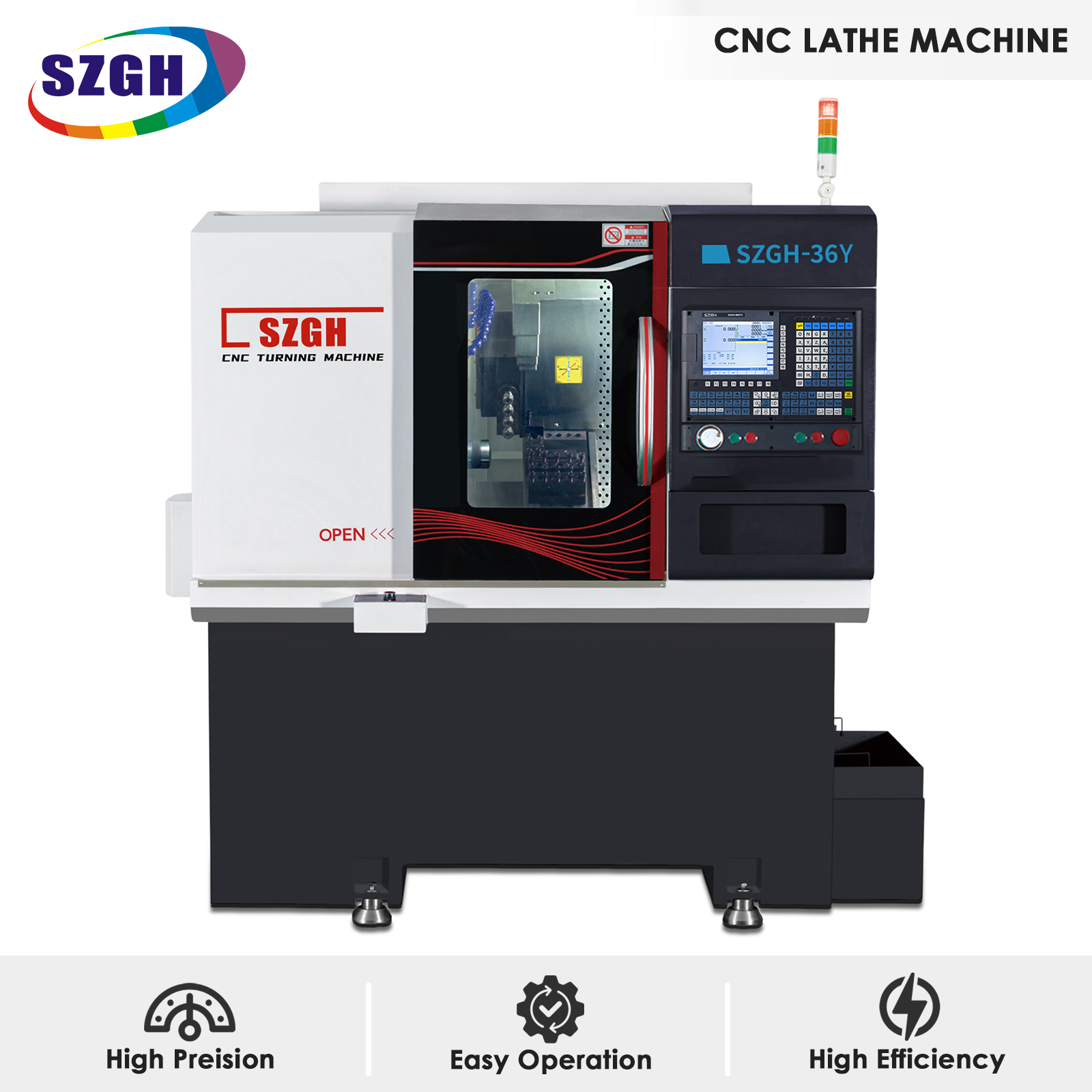 The main differences lie in the machining methods, structural features, and application scenarios.
1. Machining Principle:
CNC lathes use rotating workpieces with fixed tools; they are suitable for rotating parts. CNC milling machines: The tool rotates, the workpiece is fixed; suitable for complex shapes.
2. Structure and Motion Axes:
CNC lathes typically have two axes (X and Y), a simple structure, and a horizontal or vertical spindle, making them suitable for small lathes. CNC milling machines have at least three axes (X, Y, and Z), with high-end models supporting four or five axes. They have complex structures, multi-directional table movement, and spindles that are often vertical or horizontal.
3. Processing Objects:
CNC lathes primarily process symmetrical rotating bodies, such as external and internal cylinders. Typical parts include automotive drive shafts, bearing sleeves, and bottle cap molds. CNC milling machines process asymmetrical and complex shapes, such as screen milling and groove milling. Typical parts include mobile phone cases, engine blocks, and precision molds.
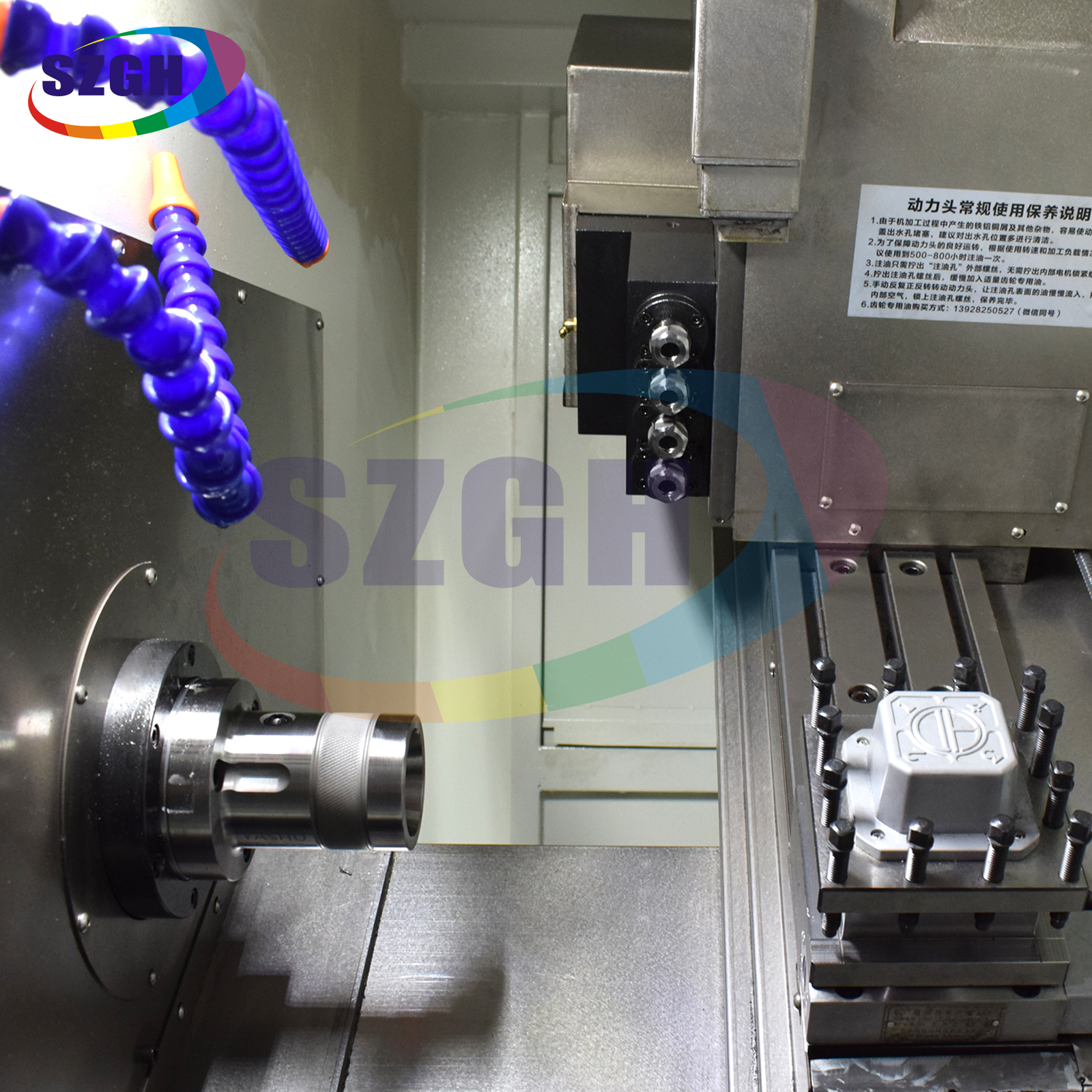 4. Tool Type: CNC lathes use turning tools, which have simple tool motion paths. CNC milling machines use milling cutters, which can achieve multi-axis linkage and complete complex trajectory machining.
5. Application Scenarios:
CNC lathes are suitable for mass production of standardized rotating parts, offering high efficiency. Suitable for the automotive, hardware, and standard parts manufacturing industries, such as centrifugal air compressor spare parts. CNC milling machines are suitable for processing small batches of complex, high-variety parts, offering high flexibility and widespread application in mold, aerospace, and electronics manufacturing.
6. Advanced Functions:
Milling centers combine turning and milling capabilities, enabling the machining of complex parts on a single machine. Examples include cutting compressor spare parts such as oil seals and gas seals, and producing air compressor bearings.
 If you have any needs, please contact us. At SZGH, we welcome your feedback. We have powerful CNC lathes and milling machines to help you find a solution.