CNC Milling Case Study for ASTM A36 Steel Plates in Chile
Introduction
Selecting the right CNC milling machine is essential for manufacturers producing custom steel components with complex internal features. When a part combines specific external dimensions with non-circular internal geometry, machine selection must account for the material, machining requirements, workpiece positioning, and production needs.
A customer in Chile approached SZGH for a CNC milling solution to manufacture rectangular steel plates with internal hexagonal features. The main workpiece measures 120 × 65 × 25 mm and contains a 39 mm internal hexagon. The customer also manufactures rectangular plates with smaller internal hexagonal features, with the smallest specified size reaching 24 mm.
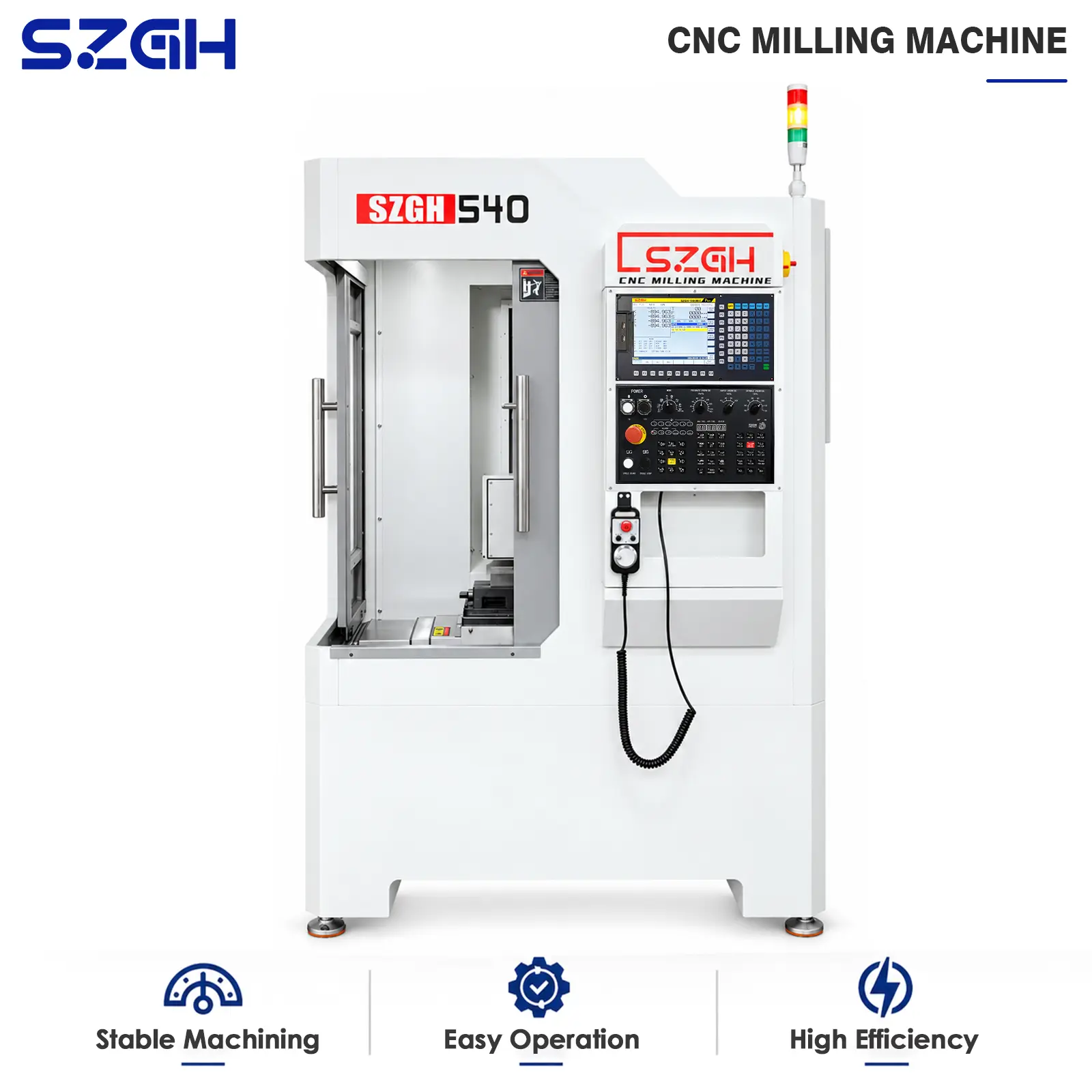
After reviewing the customer's drawings and machining requirements, SZGH confirmed the exact configuration of the SZGH-540A CNC milling machine with a 3 kW specification for this application.
This case study explains the customer's requirements, the technical considerations behind the machine configuration, and the practical factors involved in machining ASTM A36 steel plates with internal hexagonal features.
Customer Background and Machining Requirements
The Chilean customer manufactures metal components for its own customers. The application involves rectangular steel plates that require internal hexagonal features in different sizes.
The confirmed application information is summarized below.
Parameter | Customer requirement |
Workpiece material | ASTM A36 steel |
Main workpiece dimensions | 120 × 65 × 25 mm |
Largest specified internal hexagonal feature | 39 mm |
Smaller internal hexagonal features | Down to 24 mm |
CNC milling machine | SZGH-540A |
Confirmed configuration | 3 kW |
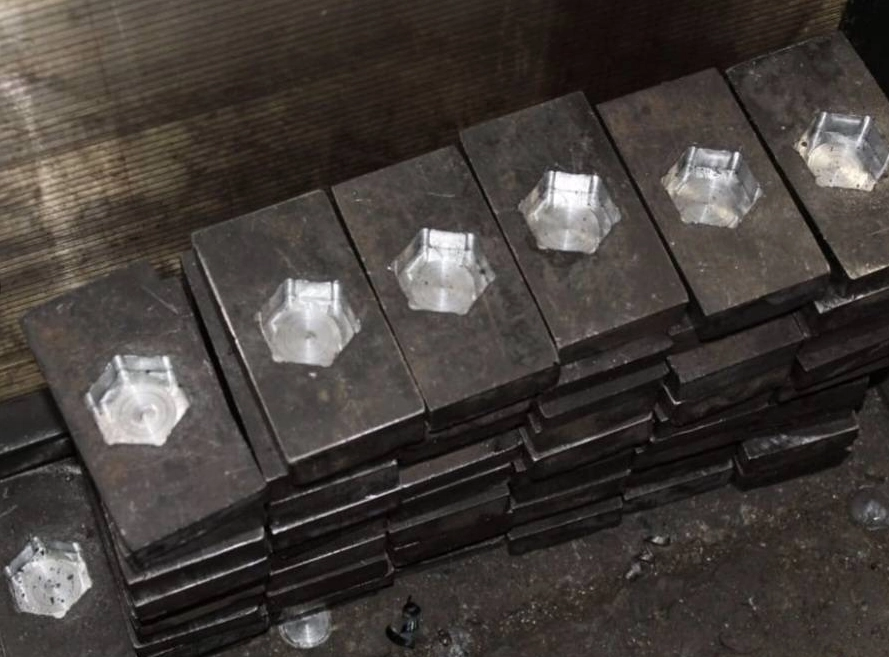
These requirements provide the basis for selecting the machine configuration. The workpiece dimensions determine the space needed for positioning and clamping, while the internal hexagonal geometry influences the cutting tool, toolpath, and machining sequence.
The complete part drawings remain the reference for defining the exact feature dimensions, depths, positional tolerances, and surface finish requirements.
Understanding ASTM A36 Steel Machining
ASTM A36 is a commonly used structural carbon steel in industrial fabrication and general metalworking. Machining this material requires suitable cutting tools, stable workholding, and cutting parameters matched to the required material removal and finished geometry.
For manufacturers producing steel plates in batches, the objective is to maintain consistent dimensions while controlling tool wear, machining time, and production costs.
Three factors are particularly relevant to this application.
Material and Cutting Conditions
Cutting tools must be appropriate for steel machining. Cutter geometry, cutting speed, feed rate, and depth of cut should be selected according to the material condition and the required feature geometry.
The confirmed 3 kW machine configuration provides the specified equipment basis for this project. Actual cutting conditions must still be matched to the selected tooling and machining operations.
Workpiece Stability
The rectangular steel plate must be secured firmly during machining. A suitable fixture should resist cutting forces while allowing the cutting tool to access the internal hexagonal features.
For repeat production, a consistent locating and clamping arrangement can simplify setup and reduce variation caused by manual positioning.
Dimensional Consistency
The internal hexagonal features must be machined according to the dimensions and positional requirements shown in the customer's drawings.
The CNC program, fixture arrangement, cutting tool condition, and machine performance all influence the final result. Inspection criteria should therefore be established before batch production begins.
The Confirmed SZGH-540A 3 kW CNC Milling Solution
After reviewing the customer's drawings and application requirements, SZGH confirmed the SZGH-540A CNC milling machine with a 3 kW configuration for this project.
The confirmed configuration is based on the customer's actual workpieces rather than a general recommendation based only on plate dimensions. This application-specific approach helps align machine selection with the required material, feature geometry, and intended machining process.
The SZGH-540 CNC milling machine product page provides a related reference for the SZGH-540 platform. However, specifications published for another model or configuration should not be substituted for the confirmed SZGH-540A 3 kW configuration.
The selected configuration establishes the machine specification for the application. Tooling, workholding, CNC programming, and inspection procedures should be coordinated with the customer's detailed drawings to support the intended production process.
If future parts require machining at multiple angular positions, a rotary-axis solution may also be considered. SZGH provides information about four-axis and five-axis configurations for the SZGH-540 and SZGH-650 platforms. Additional axes should be selected according to actual part geometry and process requirements rather than added without a clear production benefit.
Frequently Asked Questions
1.Can a CNC milling machine machine ASTM A36 steel?
Yes. CNC milling can machine ASTM A36 steel when the machine configuration, tooling, workholding, and cutting parameters are appropriate for the application.
2.Can CNC milling produce internal hexagonal features?
Yes. CNC milling can produce internal hexagonal profiles using a suitable machining strategy. The method depends on the feature dimensions, depth, corner geometry, tool access, and required tolerances.
3.Which CNC milling machine did SZGH confirm for the Chilean customer?
SZGH confirmed the SZGH-540A CNC milling machine with a 3 kW configuration based on the customer's drawings and machining requirements.
4.What are the main requirements for machining rectangular steel plates with internal hexagons?
The main considerations include the material grade, workpiece dimensions, hexagonal feature sizes, feature depth, tool access, workholding, and dimensional tolerances. These factors determine the machining strategy and inspection requirements.
5.What information should manufacturers provide when requesting a CNC milling solution?
Manufacturers should provide complete part drawings, material specifications, workpiece dimensions, feature geometry, tolerance requirements, surface finish expectations, and production volume. This information allows the engineering team to evaluate the application and confirm an appropriate configuration.
Conclusion
This Chilean customer case demonstrates the importance of matching CNC milling machine selection to actual workpiece drawings and manufacturing requirements.
The customer manufactures rectangular ASTM A36 steel plates measuring 120 × 65 × 25 mm, with internal hexagonal features measuring 39 mm and smaller sizes down to 24 mm. After reviewing the customer's drawings and machining requirements, SZGH confirmed the SZGH-540A CNC milling machine with a 3 kW configuration for this application.
By aligning the equipment configuration with the customer's specific requirements, SZGH provides a targeted approach to CNC machine selection for custom steel components.